
 [
[Japan Advances Synthetic Fuel Production With New Demonstration Plant.-Morocco World News. (2026)




This technology matters because it offers a potential path to keep our existing engines running while drastically cutting the carbon emissions that currently warm our planet.
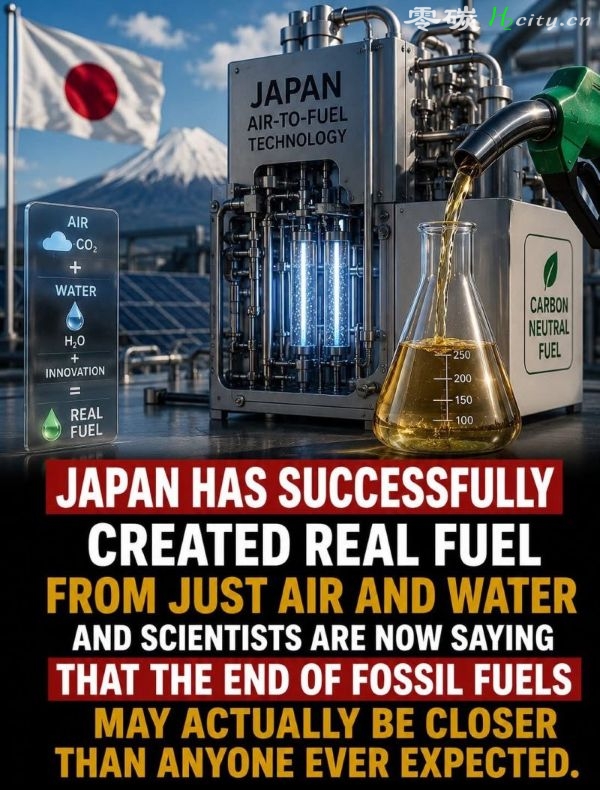
Because these synthetic fuels share the same chemical structure as conventional petroleum, they can be distributed through existing pipelines and burned in current combustion engines without any costly modifications. This creates a vital bridge for sectors like aviation and heavy shipping where full battery electrification remains difficult.
While scaling these plants for global demand remains a significant engineering hurdle, this progress proves that we can recycle our own emissions into a sustainable energy loop.
Morocco World News. (2026). Japan Advances Synthetic Fuel Production With New Demonstration Plant. Morocco World News.
平台声明:该文观点仅代表作者本人,零碳未来网 系信息发布平台,我们仅提供信息存储空间服务。




发表评论 取消回复