
 [
[


By: Carlos Bernuy-Lopez PhD University of Liverpool

Let's work smartly to develop Green Hydrogen as fast as possible. This means to put each electrolysis technology at their best to maximize their properties.
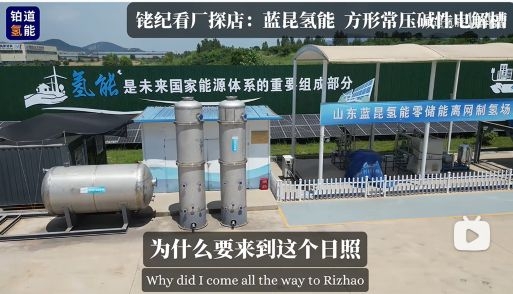
(1) Alkaline technologies. Due to their large footprint and higher energy consumption, these technologies are very nice to those projects where space is not an issue (land availability) and where electricity prices are low.
(2) PEM technologies. This technology has smaller footprint and therefore it is very suitable where land availability is more constraint. Similarly, projects with high variability of electrical load will also profit from this technology.
(3) SOEC technologies. This technology can use excess heat and has the lowest energy consumption. Projects with higher electricity prices and the possibility to be connected to excess heat sources will profit of lower LCOH by the use of this technology.
Every technology will be needed, so try to learn their advantages and disadvantages to maximize your productivity.
平台声明:该文观点仅代表作者本人,零碳未来网 系信息发布平台,我们仅提供信息存储空间服务。

发表评论 取消回复