
 [
[



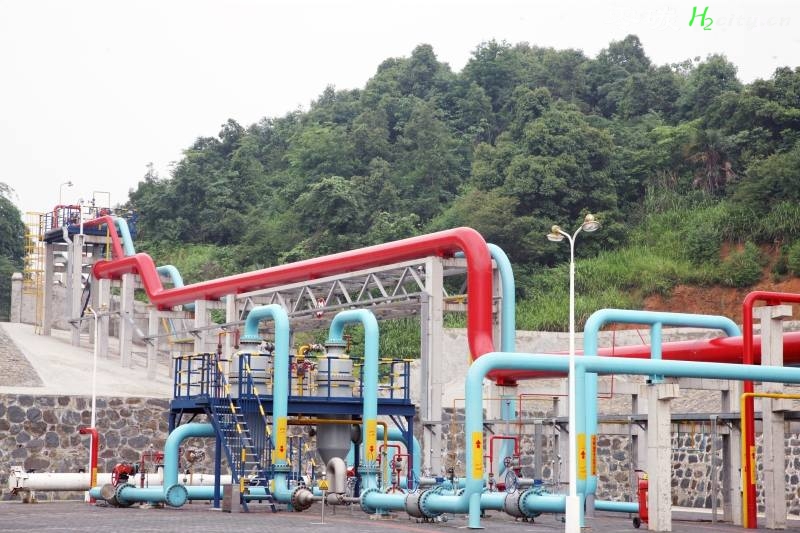
A hydrogen infrastructure at the North Sea can be realized by re-using the existing natural gas infrastructure. We designed a North Sea hydrogen infrastructure by re-purposing 15,000 km existing natural gas pipelines and building 3,000 km of new hydrogen pipelines. This hydrogen infrastructure can simply be connected to suitable empty gas fields and to new salt caverns underneath the North Sea, to store hydrogen.
The existing landing points at the coast can be connected to the European Hydrogen Backbone. In this way, hydrogen from the North Sea can be transported to all parts of Europe. It can transport 300-400 GW hydrogen to shore. In baseload transport this means 60 to 80 million tonnes hydrogen per year (2,400-3,200 billion kWh[HHV]). To produce this volume entirely with offshore wind, between 550 and 750 GW offshore wind capacity is needed.
Read more about a hydrogen infrastructure at the North Sea in the book ‘Green Energy for All, how hydrogen and electricity carry our future’.

平台声明:该文观点仅代表作者本人,零碳未来网 系信息发布平台,我们仅提供信息存储空间服务。




发表评论 取消回复