
 [
[



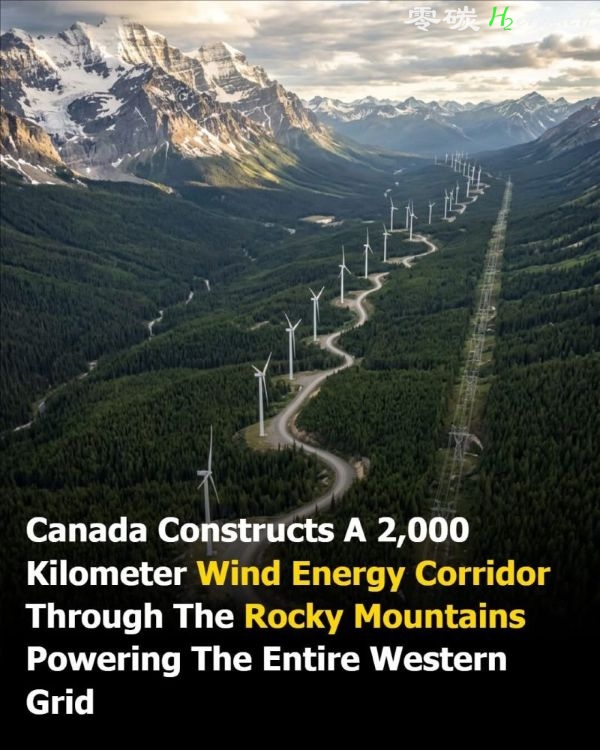
The problem with wind farms is that the wind stops blowing. Canada solved this by building one so long that the wind is always blowing somewhere.
The eastern thrust of the Rocky Mountains acts as a massive natural funnel for chinook winds. Engineers mapped a continuous 2,000-kilometer path along the foothills where those winds average a relentless 9.5 meters per second all year. Then they built a single unbroken corridor of 1,400 turbines.
By stretching the farm across 2,000 kilometers, they created statistical smoothing. The geographic diversity means that when the breeze dies down in one province, it is howling in another. The grid never notices a drop.
The system operates like traditional baseload power. It currently generates enough electricity to cover two-thirds of western Canada’s entire energy demand. Because it displaced the region's heavy reliance on natural gas, household utility bills have dropped by roughly 31 percent.
平台声明:该文观点仅代表作者本人,零碳未来网 系信息发布平台,我们仅提供信息存储空间服务。




发表评论 取消回复