
 [
[



Fuel Cells SAE standards and guidelines I have compiled the SAE standards and guidelines for fuel cell applications in the attached PDF to this post.
SAE International (Society of Automotive Engineers) is the leading authority in developing mobility standards for safety, productivity, dependability, efficiency, and certification.
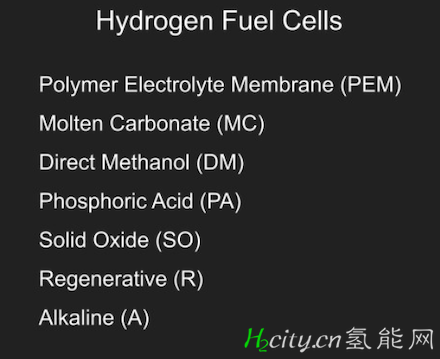
Main Types of Fuel Cells:
1️⃣ Polymer Electrolyte Membrane Fuel Cell = PEMFC
2️⃣ Molten Carbonate Fuel Cell = MCFC 3️⃣ Phosphoric Acid Fuel Cell = PAFC 4️⃣ Solid Oxide Fuel Cell = SOFC 5️⃣ Alkaline Fuel Cell = AFC (1) PEMFC Anode Reaction: H2 → (2H+) + (2e-) Cathode Reaction: (½ O2) + (2H+) + (2e-) → H2O a- The operating temperature of PEMFC is typically between 60 to 110 °C with electrical efficiency up to 60%. b- Typical stack size of up to 100 kW c- PEFCs have been used for various applications, especially for fuel cell vehicles (FCVs) prime power. d- Due to sensitivity to impurities, PEFC lends itself, particularly to situations where pure hydrogen can be used as a fuel. (2) MCFC Anode Reaction: H2 + (CO3=) → H2O + CO2 + (2e-) CO + (CO3=) → 2CO2 + 2e- Cathode Reaction: ½ O2 + CO2 + 2e- → (CO3=) a- Utility companies have been known to prefer fuel cells that employ molten carbonate electrolytes for their high electrical efficiency of up to 60%. b- Typical stack size of up to 300 kW module c- MCFC operates at high temperatures (600 to 700 °C), causing the components to wear out faster. (3) PAFC Anode Reaction: H2 → (2H+) + (2e-) Cathode Reaction: (½ O2) + (2H+) + (2e-) → H2O a- PAFC typically operates at 150 to 220 °C with up to 40% electrical efficiency. b- Typical stack size of up to 400 kWc- PAFCs are mostly developed for stationary applications.
(4) SOFC
Anode Reaction: H2 + (O=) → H2O + (2e-) CO + (O=) → CO2 + (2e-) CH4 + (4O=) → 2H2O + CO2 + (8e-) Cathode Reaction: ½ O2 + (2e-) → (O=) a- SOFC typically operates at 600 to 1000 °C, with up to 60% electrical efficiency. b - Typical stack size of up to 2 MW c - One of the drawbacks of this technology is the high-temperature corrosion and deterioration of its cell components. (5) AFC Anode Reaction: H2 + (2(OH)-) → 2H2O + (2e-) Cathode Reaction: ½ O2 + H2O + (2e-) → (2(OH)-) a- AFC typically operates typically at 100 °C with an electrical efficiency of up to 70%. b- Typical stack size of up to 100 kW c- Although AFCs are one of the earliest fuel cell technologies, they are less commonly used due to the negative impact of carbon dioxide exposure on their performance. CO = carbon monoxide CO2 = carbon dioxide (CO3=) = carbonate ion (e-) = electron (H+) = hydrogen ion H2 = hydrogen H2O = water O2 = oxygen (OH-) = hydroxyl ionMy posts reflect my personal perspective, knowledge, experience, and advice. Which Fuel Cell is Right for Your Needs? Let’s discuss this in the comment section.
Jason Amiri
平台声明:该文观点仅代表作者本人,零碳未来网 系信息发布平台,我们仅提供信息存储空间服务。


发表评论 取消回复